


The Assassin’s Eye: What Food Labels Are Actually Telling You 🥸

Most people were never actually taught how to read food labels. Not in school. Not in most gyms. Not in wellness spaces flooded with trends, fear-based marketing, and conflicting advice.
Instead, people are handed rules without context:

avoid carbs,
fear sugar,
buy “clean” foods,
count calories,
trust whatever claim is stamped on the front of the package.
And honestly? That confusion is not a personal failure.
Nutrition labels exist to provide information, but food packaging exists to sell products. Those are two very different systems working side by side. Companies know people are trying to make healthier choices, and they also know most consumers are overwhelmed, under-supported, and trying to make decisions quickly.
That’s why learning how to read labels matters. Not so you become obsessive, start to panic over every ingredient, or begin to moralize food. But, so you can make informed decisions with more confidence, clarity, and autonomy.
That’s where the Assassin archetype becomes useful.
The Assassin is not driven by panic. They are trained in observation. Pattern recognition. Discernment. They know how to slow down long enough to separate useful information from distraction and manipulation.
And nutrition literacy works the same way.
Start With the Serving Size ⚖️
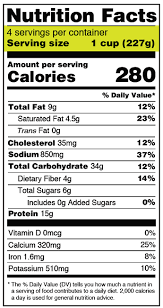
Everything on the nutrition label branches out from the serving size.
Calories, protein, sodium, carbohydrates, added sugars, fiber, and fats are all calculated from the serving size listed at the top of the label. And this is one of the most common places people accidentally misunderstand nutrition information.
A serving size is not a personalized recommendation for what you should eat. It is a standardized reference amount manufacturers use so nutrition information can be measured consistently across products and populations.
In other words: serving size is the reference point used to calculate the label.
Your portion is what you personally choose or need to eat based on your:
goals
energy needs
activity levels
health conditions
recovery
appetite
schedule
access to food
and the season of life you’re in
Those are not always the same thing. A package may contain two or three servings while appearing like a single portion someone might realistically eat in one sitting.
That does not mean you are “bad” if you eat the entire package. It simply changes how you interpret the nutritional information you’re looking at. That distinction matters because many people assume they are “failing” nutrition when they ar
e actually just misunderstanding how labels are structured.
Understand What Calories Actually Mean 🔥
Calories are units of energy. That’s it.
Modern health industry tends to swing between extremes: either calories are treated like the only thing that matters, or they are dismissed entirely.

Reality is more nuanced than either position. Your body requires energy to:
think
move
recover & heal
regulate hormones
support organ function
stabilize mood and cognition
survive stress
Understanding calories can be useful, especially when paired with context. A 200-calorie snack that helps you feel full, energized, and stable may support your life very differently than a 200-calorie snack that leaves you crashing an hour later.
The important question is not: “How many calories?”
It is: “How does this food affect me multidimensionally; physically, mentally, emotionally, financially, etc.?”
Because nutrition is not experienced in a laboratory. It is experienced inside real human lives.
Learn the Role of Macronutrients
Protein, carbohydrates, and fats are often treated online like opposing factions competing for dominance. But human bodies are more complex than internet arguments.
Each macronutrient serves important functions.
Protein — Supports recovery, tissue repair, muscle maintenance, fullness, immune function, and physical resilience.
Carbohydrates — Provide one of the body’s most accessible forms of energy, especially for the brain, nervous system, and physical performance.
Fats — Support hormones, brain function, vitamin absorption, cellular health, and long-term energy regulation.
One of the biggest nutrition myths online is the idea that one entire macronutrient category is inherently “bad.”
Most of the time, the more useful question is:
“How does this combination affect my energy, fullness, digestion, focus, recovery, and overall wellbeing?”
That question creates much better information than fear-based thinking ever will.
Watch for Sugars Without Demonizing Them 🍯
Added sugars appear in far more products than most people realize: sauces, bread, granola, dressings, protein bars, yogurt, “health foods”, low-fat products, and convenience foods to name a few.
Companies often use multiple names for sugars: cane sugar, dextrose, malt syrup, agave, brown rice syrup, fruit concentrate, and many others. But awareness is different than fear. The goal is not to panic over every gram of sugar or treat food like a morality test. The goal is understanding:
how frequently sugars appear
how products are marketed
and how certain foods affect your energy, fullness, cravings, and habits
The Assassin mindset is not: “Never eat sugar.”
It is: “Understand what you’re consuming so you can make intentional decisions.”
Those are very different relationships with food.
Use the 5 and 20 Rule ✋🏼
One of the easiest tools for quickly reading labels is the “5 and 20 Rule” for Percent Daily Value (%DV).

5% DV or less = lower amount
20% DV or more = higher amount
This can help you quickly identify patterns for things like:
fiber
sodium
saturated fat
vitamins
minerals
added sugars
Generally, people benefit from: higher fiber, vitamins, and minerals, lower saturated fat, trans fats, sodium, and excessive added sugars. Not because individual foods determine your worth, but because long-term patterns shape health outcomes more than isolated meals.
That perspective alone can reduce a huge amount of unnecessary shame around eating.
Read the Ingredient List Like a Detective 🥸
The nutrition facts panel tells you quantitative information. The ingredient list tells you what the product is primarily made from. Ingredients are listed from highest quantity to lowest quantity by weight. That means the first few ingredients usually make up the majority of the product.
This does not mean every long ingredient list is automatically harmful.
It also does not mean every short ingredient list is automatically healthy.
But ingredient lists can help you identify: heavily added sugars, refined grains, preservatives, stabilizers, dyes, hydrogenated oils, filler ingredients, and marketing contradictions.
Some common examples include:
Yeast Extract and Monosodium Glutamate (MSG) (enhance flavor)
Artificial Food Coloring: Blue 1, Red 40, Yellow 5 and Yellow 6
Sodium Nitrite: reddish meat color
Xantham/Guar Gums: thickening agent
Artificial Sweeteners: sucrolose, aspertame, saccarchin
Carrageenan: preservative for dairy and dairy free alternatives
Sodium Benzoate: preservative for carbonation and acidic foods
Processed Oils: canola, soy, sunflower, palm, vegetable, corn
Sugar Alcohols: anything that ends in -itol, sorbitol (sugar free products)
And context matters here too. Not every additive is automatically dangerous. Some exist for preservation, texture, stability, accessibility, affordability, or shelf life. Fear-based wellness culture often removes nuance from these conversations entirely.
The goal is not paranoia. It is understanding. Because, the front of the package is marketing. The ingredient list is usually more honest.
Understand Marketing ✨
Many front-label phrases are designed to create emotional reactions rather than provide complete nutritional clarity. Terms like: “natural”, “organic”, “low fat”, “high protein”, “cage-free”, “grass-fed", and “non-GMO” all carry different meanings, regulations, or levels of oversight.
And this is where nutrition literacy becomes incredibly important.
Because many people assume these labels automatically mean a product is “healthy,” “better,” or “cleaner,” when the reality is usually more nuanced than marketing makes it seem.

"Organic" products are grown and processed under specific standards that limit the use of synthetic pesticides, fertilizers, antibiotics, GMOs, and certain additives.
But even within organic labeling, there are differences:
100% Organic → contains only organic ingredients (excluding water and salt)
Organic → contains at least 95% organic ingredients
Made with Organic Ingredients → contains at least 70% organic ingredients
Research has shown some organic crops may contain higher antioxidant activity and but “organic” does not automatically make a food nutrient-dense, balanced, accessible, or ideal for every person or budget.
Context still matters.

“Natural” is one of the most misunderstood food labels because there is no consistent universal definition for it across all food categories. For meat and poultry, the term generally means the product does not contain artificial ingredients, colors, or preservatives. But outside of that, the label can become extremely vague.
This is why the ingredient list usually tells you more than the marketing phrase itself.

Non-GMO means the product was pr
oduced without genetically modified organisms. That information may matter to some consumers for environmental, agricultural, or personal reasons, but it does not automatically determine whether a product is nutritious, balanced, or minimally processed.

Grass-Fed beef generally comes from cattle raised primarily on grass and forage instead of grain feed. Some research suggests it may contain higher levels of omega-3 fatty acids and vitamins A and E compared to conventional beef. However, standards can vary, so labels and certifications matter.
Pasture-Raised, Free-Range & Cage-Free are often grouped together, but they describe different conditions.

Cage-Free: poultry is not confined to cag
es, but live entirely indoors.
Free-Range: about 2 sqft of outdoor access per animal, with grain based diet.
Pasture-Raised: about 100 sqft of outdoor access per animal, with forage natural foods and supplemented grains.
Some pasture-raised products may contain higher levels of omega-3 fatty acids and DHA, but again, context matters more than marketing alone.
The goal is not to buy the “perfect” version of every food. It’s understanding what labels actually mean so you can make informed choices based on your values, accessibility, budget, and lifestyle.
Whole Foods Can Reduce the Noise 🔊
One reason many health professionals encourage more whole foods is because they often require less interpretation. Foods like fruits, vegetables, oats, rice, beans, nuts, and lean proteins typically contain fewer layers of marketing language and processing complexity.
But this is important: whole foods are not morally superior.
Accessibility matters.
Finances matter.
Disability matters.
Energy ability matters.
Caregiving responsibilities matter.
Neurodivergence matters.
Chronic illness matters.
Time matters.
Sometimes frozen meals, packaged foods, protein bars, or convenience items are what make nourishment accessible and sustainable for someone’s real life. And, wellness advice that ignores those realities is incomplete. The goal is to build a relationship with food that is informed, flexible, sustainable, and supportive.
Your Body Is Not a Test You’re Failing 👎🏼
A lot of people think they struggle with nutrition because they “lack discipline.” But, many people are actually trying to navigate an intentionally confusing industry without enough education, support, or context.
That’s a systems issue, not a personal flaw, and learning how to read food labels is not about becoming restrictive or obsessive. It’s about becoming more informed so you can make decisions with greater clarity and autonomy — without constantly feeling manipulated by trends, fear, or marketing.
That’s the real skill. Not chasing the illusion of the “perfect” diet. Just learning how to understand the information in front of you well enough to make choices that support your body, your needs, your goals, and your actual life.
Inside programs like The Blade’s Bite: Cut Through Nutrition Myths in the Legends Nexus app, we go deeper into nutrition literacy, food marketing, sustainable wellness, and building healthier relationships with food without shame-based messaging or all-or-nothing thinking.
And as part of our Thank You Sale through 6/5:
Because wellness support should feel like support — not punishment. 🖤

Author
Coach Brenna Vidal
Founder of Fantasy Fitness + Sovereign of the Order of Legends
CPT, CNC, YFFR, RYT, KYT, PSYC BA, BSW, CWCM, Black Belt
References:
Dumoitier, A., Abbo, V., Neuhofer, Z., & McFadden, B. R. (2019). A review of nutrition labeling and food choice in the United States. Obesity Science & Practice, 5(6), 581–591. https://pmc.ncbi.nlm.nih.gov/articles/PMC6934427/
Harvard T.H. Chan School of Public Health. (2021). Understanding food labels. The Nutrition Source. https://nutritionsource.hsph.harvard.edu/food-label-guide/
U.S. Food and Drug Administration. (2024). How to understand and use the Nutrition Facts label. https://www.fda.gov/food/nutrition-facts-label/how-understand-and-use-nutrition-facts-label
U.S. Department of Agriculture Agricultural Marketing Service. (n.d.). Labeling organic products. https://www.ams.usda.gov/rules-regulations/organic/labeling
U.S. Department of Agriculture Agricultural Research Service. (n.d.). FoodData Central. https://fdc.nal.usda.gov/
University of Connecticut Extension. (2025). What do labels really mean? Organic, natural, cage-free, grass-fed, pasture-raised and local. https://extension.uconn.edu/publication/food-labels/
No content on this site is intended to replace direct medical advice from your doctor or another qualified clinician. Always consult with a healthcare professional for personalized guidance.


Comments