


The Assassin’s Guide to Fad Diets & Trend-Based Thinking: How to Cut Through Nutrition Myths 🔪

Precision is what keeps an Assassin effective.
Not speed. Not force. Not reaction.
Clarity.
Because in a world full of noise, the greatest threat isn’t always what you’re eating.
It’s what you’ve been taught to believe about food.
🔪 Misinformation Is the Real Target
Fad diets don’t just change how people eat, they shape how people think.
They teach fear.
They reward restriction.
They disconnect people from their own body’s signals.
And often, they position food as something to control, rather than something to understand. But, your body is not a problem to solve, It is a system to listen to.
⚔️ What Actually Defines a Fad Diet
Fad diets often follow the same pattern, even when the language changes:
Promises of rapid transformation without sustainable change
Elimination of entire food groups
Framing certain foods as “good” or “bad”
Reliance on supplements, hacks, or extremes
Short-term results that don’t hold long-term
If it requires fear to work, it is not designed for sustainability.
If it disconnects you from your body, it is not designed for trust.
🧠 Truth: There Is No Diet That Solves Everything
Different dietary approaches can support different goals. But there is no single diet proven to be universally superior for weight loss, health, or long-term success across all individuals. People respond differently based on:

genetics
lifestyle
access to food
cultural background
stress levels
environment
relationship with food
The one exception often highlighted in research is the Mediterranean diet, which consistently shows benefits for cardiovascular health, metabolic function, and longevity. But, even this is not a rigid “diet", it is a pattern rooted in:
whole foods
community eating
balance
cultural tradition
flexibility
Not restriction.
🌿 Food Is More Than Fuel
Food is not just macronutrients. It is culture, history, land, relationship, memory, and survival. Plants and animals are not just inputs. They are part of ecosystems we participate in. When we reduce food to numbers, we often lose connection to:

where it comes from
how it supports us
how we engage with it
Rebuilding that relationship changes everything.
Not through control, but through awareness.
🛡️ Intuition Is a Skill, Not a Shortcut
“Listen to your body” is often misunderstood, because many people have been taught to override their body for years.
Intuition is not immediate, it is built, and comes from:
consistent nourishment
exposure to different foods
removing moral judgment from eating
learning hunger and fullness cues
understanding how different foods affect your energy, mood, and digestion
This is not passive. It is practiced action.
⚖️ Breaking Down Popular Diet Approaches
Instead of labeling diets as “good” or “bad,” we look at what they do, how they function, and where they may or may not support long-term stability.

Low-Carb / Keto
Low-carb and ketogenic approaches reduce carbohydrate intake and shift the body toward using fat as a primary fuel source. They can support short-term weight loss, improve blood glucose control, and are used clinically in certain conditions.
At the same time, they can be difficult to sustain and may impact energy levels, digestion, hormone balance, and performance depending on the individual.
For some, they create structure. For others, they create restriction.

Intermittent Fasting
Intermittent fasting focuses on when you eat rather than what you eat, using structured eating and fasting windows. It can support insulin sensitivity, simplify routines, and help some people reconnect with hunger cues.
But it can also increase stress, disrupt those same cues, or feel misaligned with certain lifestyles or histories. It is a tool—not a requirement.

Vegetarian / Vegan
Plant-based approaches remove some or all animal products and are often linked to improved heart health and reduced chronic disease risk. They can also reflect ethical, environmental, or cultural values.
However, they require intentional planning to support nutrients like protein, iron, B12, omega-3s, and calcium.
When built with awareness, they can be deeply supportive.
When under-fueled, they can create gaps.

Paleo
The Paleo approach emphasizes whole foods while removing grains, legumes, and dairy. It often improves overall food quality by reducing ultra-processed intake.
At the same time, it may unnecessarily eliminate nutrient-dense foods and create limitations that are difficult to sustain in real life.
The benefit often comes from what is included—not just what is removed.

Detox Diets
Detox diets are often marketed as a way to cleanse or reset the body. In reality, your body is already doing that work through the liver, kidneys, and gut.
Extreme detox approaches can increase stress, disrupt energy balance, and lead to nutrient deficiencies.
Support comes from consistent nourishment, not extreme resets.

Mediterranean Diet
The Mediterranean diet is one of the most consistently researched patterns linked to improved heart health, reduced inflammation, and long-term disease prevention. It emphasizes whole foods like fruits, vegetables, legumes, whole grains, olive oil, fish, and nuts.
Unlike most diets, it is not built on restriction, but on balance, variety, and sustainability. It functions less as a strict plan and more as a long-term way of eating that supports both health and relationship with food.
🗡️ What Matters More Than the Diet Itself
No single approach works best for everyone. After seeing all of these, it can be tempting to ask: Which one is right?
But a more useful question is:
What actually supports you?
What matters most is:
whether it fits your life
how your body responds
whether it supports energy and stability
whether it builds trust—or disconnect
Because, the goal is not to follow a diet perfectly, the goal is to understand what supports you and why.
🔬 The Body Already Knows How to Function
Your body is not waiting for a reset. It is already regulating detoxification, metabolism, hormone balance, and energy production—continuously, quietly, and without needing extremes.
Diets that promise to “fix” these systems often oversimplify or misrepresent how the body actually works. Support doesn’t come from forcing change, it comes from consistently giving your body what it needs to function.
🗡️ What the Assassin Actually Does
An Assassin does not chase every new target.
They observe. They evaluate. They act with precision.
Applied to nutrition, this means:
questioning what you are being told
understanding mechanisms
recognizing patterns
choosing based on function, not fear
You do not need to follow every trend.
You need to understand what your body needs—and why.
🔪 Precision Over Panic

You don’t need another detox.
You don’t need another elimination phase.
You don’t need another set of rigid rules that quietly disconnect you from your body.
You need clarity, context, and consistency. Because, long-term health is not built through extremes, it is built through patterns that can adapt with your life—without fear, pressure, or constant correction.
🖤 Apply It: Together We Grow
If this blog helped shift how you think about food, the next step isn’t more restriction. It’s deeper understanding.
The Blade’s Bite: Cut Through Nutrition Myths (5-Week Program) was built for exactly this—helping you dismantle misinformation, understand physiology, and make grounded decisions without fear. And right now, you can step into that work through the Together We Grow Enrollment Event.
This is not about 'fixing' yourself. It’s about building a relationship with movement, nutrition, and your own decision-making in a space that supports different paths, different bodies, and different experiences. Inside, you’ll find:
structured programs like Blade’s Bite
training, nutrition, and wellness resources
tools for tracking, reflection, and growth
a community that values steady progress over pressure
You also receive a Bookish Welcome Bundle (blind date with a book, bookish candle, and 1:1 coaching session) and 25% off membership when you join during the event. Use code: TOGETHERWEGROW2026
Join here: https://www.fantasyfitness.co/memberships
Because clarity is the sharpest blade you can carry.

Author
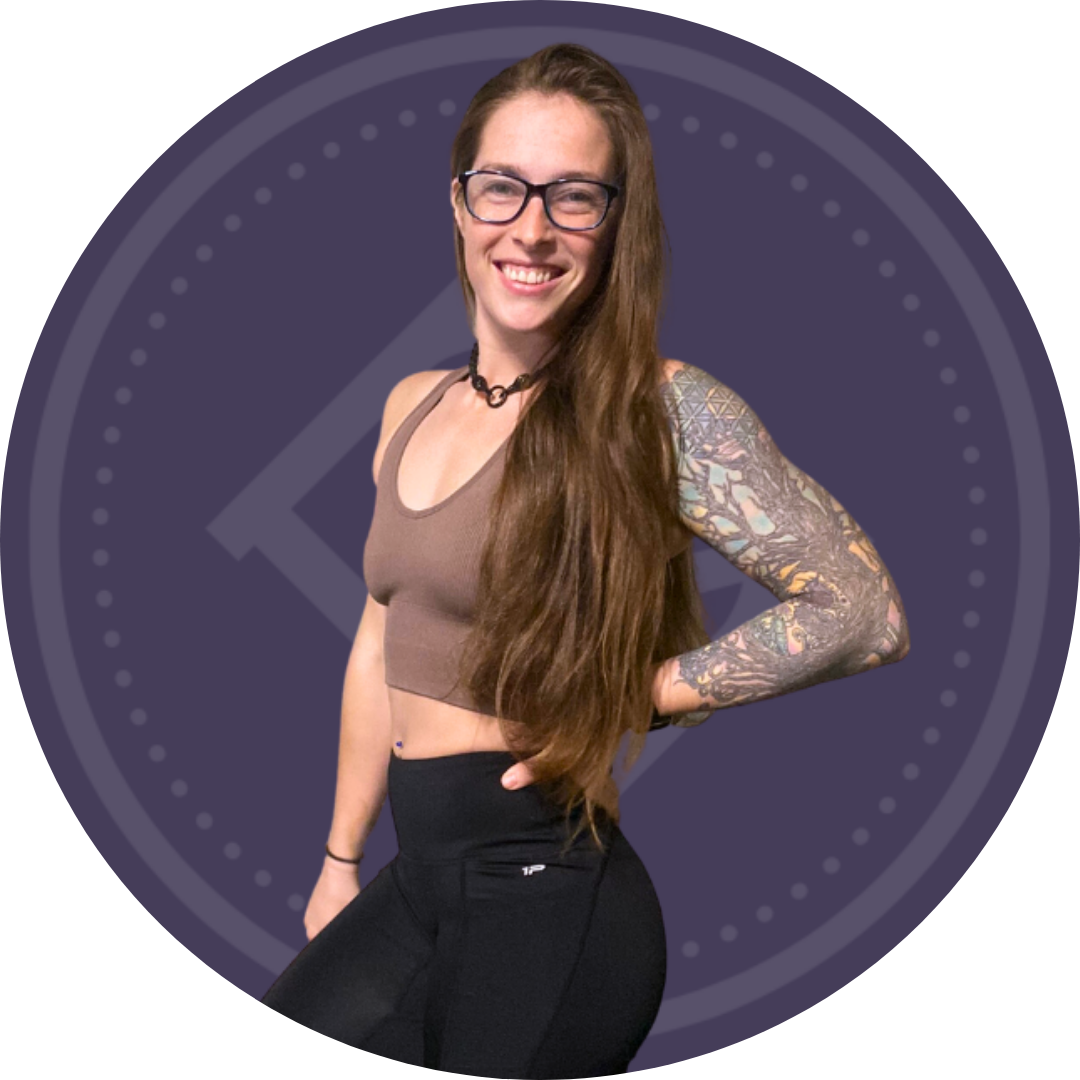
Coach Brenna Vidal
Founder of Fantasy Fitness + Sovereign of the Order of Legends
CPT, CNC, YFFR, RYT, KYT, PSYC BA, BSW, CWCM, Black Belt
References
Freire, R. (2020).
Scientific evidence of diets for weight loss: Different macronutrient composition, intermittent fasting, and popular diets. Nutrition, 69. https://doi.org/10.1016/j.nut.2019.110549
Anton, S. D., et al. (2018).
Flipping the metabolic switch: Understanding and applying the health benefits of fasting. Obesity, 26(2), 254–268. https://www.ncbi.nlm.nih.gov/pmc/articles/PMC5783752/
Estruch, R., et al. (2018).
Primary prevention of cardiovascular disease with a Mediterranean diet. New England Journal of Medicine, 378, e34. https://www.nejm.org/doi/full/10.1056/NEJMoa1800389
Johnston, B. C., et al. (2014).
Comparison of weight loss among named diet programs in overweight and obese adults. JAMA, 312(9), 923–933. https://jamanetwork.com/journals/jama/fullarticle/1900510
Satija, A., & Hu, F. B. (2018).
Plant-based diets and cardiovascular health. Trends in Cardiovascular Medicine, 28(7), 437–441. https://doi.org/10.1016/j.tcm.2018.02.004
O’Connor, L. E., et al. (2018).
Egg consumption and cardiovascular disease risk. American Journal of Clinical Nutrition, 108(3), 576–586. https://doi.org/10.1093/ajcn/nqy130
Medical Disclaimer
No content on this site is intended to replace direct medical advice from your doctor or another qualified clinician. Always consult with a healthcare professional for personalized guidance.

Comments